

HutsHunts waterproofing team stops leaks, seepage, and dampness at the source terrace waterproofing, bathroom sealing, basement protection, and external wall treatment across Delhi, Noida, Greater Noida, Gurgaon, and Ghaziabad.
A damp patch on your ceiling is not the problem, it is the symptom. The problem is water that has already entered your slab, traveled through the concrete, and is now making itself visible. Painting over it or applying surface sealant stops you from seeing it for one season. It doesn’t stop the water. The next monsoon, the patch is back darker, larger, and now accompanied by plaster falling off and paint peeling in sheets.
HutsHunts waterproofing services are built around root cause identification first. Before any coating or treatment is applied, our team assesses where water is actually entering terrace slab joints, bathroom pan leakage, hairline cracks in external walls, or inadequate slope on the roof surface. The entry point is fixed. Then the waterproofing treatment is applied on a clean, prepared surface not over an existing problem. We serve homes and buildings across Delhi, Noida, Greater Noida, Gurgaon, and Ghaziabad.
Root cause assessment before any treatment begins
Terrace, bathroom, basement, and external wall waterproofing
Chemical coatings, membrane systems, and crystalline treatments
Works on new construction and existing buildings with active leakage
Phased application with surface preparation and curing at every stage
We provide targeted waterproofing solutions for different parts of your home to ensure complete protection.
Terrace slabs take the most direct weather punishment sun, rain, freeze-thaw cycles, and standing water after heavy monsoon. We apply multi-layer waterproofing systems with proper slope correction, crack bridging membrane, and UV-resistant topcoat so rainwater drains off instead of sitting and seeping.
Bathroom leakage is the most common cause of ceiling stains in the floor below. The source is usually the pan area, wall-floor junction, or pipe entry points not visible without investigation. We apply waterproofing membrane beneath the tile bed, seal all junctions, and pressure-test before tiling begins.
Basements face water pressure from two directions: groundwater from below and surface runoff from the sides. We use tanking systems, crystalline waterproofing compounds, and drainage board installation depending on the severity and water table depth applied to both internal and external faces where accessible.
Hairline cracks in external and internal walls are direct water entry channels during monsoon. We identify whether cracks are structural or non-structural, inject epoxy or polyurethane foam into active cracks, and apply flexible crack bridging coating over the treated surface before any paint finish.
External walls absorb rainwater, develop green algae patches, and lose paint adhesion within 2 to 3 monsoon cycles without proper treatment. We apply penetrating silane-siloxane waterproof coatings or elastomeric exterior coatings that repel water while allowing the wall to breathe preventing blistering and dampness patches.
For high-risk areas water tanks, swimming pools, roof gardens, and below-grade structures we use advanced crystalline waterproofing compounds, polyurethane membranes, and APP-modified bitumen systems that bond into the concrete matrix rather than sitting on top of it.
Most homeowners call us after the damage is already visible. Here are the signs that mean waterproofing work is overdue.
Yellow or brown stains on your ceiling especially after rain or in bathrooms directly below another bathroom mean water has already entered the slab. The stain is where it exits, not necessarily where it enters.
Paint that bubbles, peels, or flakes in patches particularly on exterior-facing walls or ground floor rooms indicates moisture trapped inside the plaster layer. Surface repainting will not fix this without treating the moisture source.
A persistent damp or musty smell in a closed room, basement, or ground floor area even when no visible staining is present indicates moisture accumulation inside walls or beneath flooring.
White chalky deposits on brick or plaster surfaces are caused by water carrying salts from inside the wall to the surface as it evaporates. This is an early indicator of active water movement through your wall.
Horizontal or diagonal cracks on external walls particularly around window and door frames allow direct rainwater entry. These need crack injection and surface treatment, not just cosmetic filling.
Rising dampness from the ground is common in older buildings without a damp-proof course. Ground floor tiles that feel wet, floors that show moisture patches, or skirting tiles coming loose all point to rising damp that needs proper tanking treatment.
500+ quality checks per project. Waterproofing teams operating across Delhi, Noida, Greater Noida, Gurgaon, and Ghaziabad with 10+ years of combined waterproofing experience on residential and commercial buildings.
Choose the perfect construction package for your dream home
For minor seepage & early-stage issues
For long-term protection
For complete structural protection
Waterproofing requirements vary by building age, construction type, and local climate. Here is what drives waterproofing demand in each city we serve.
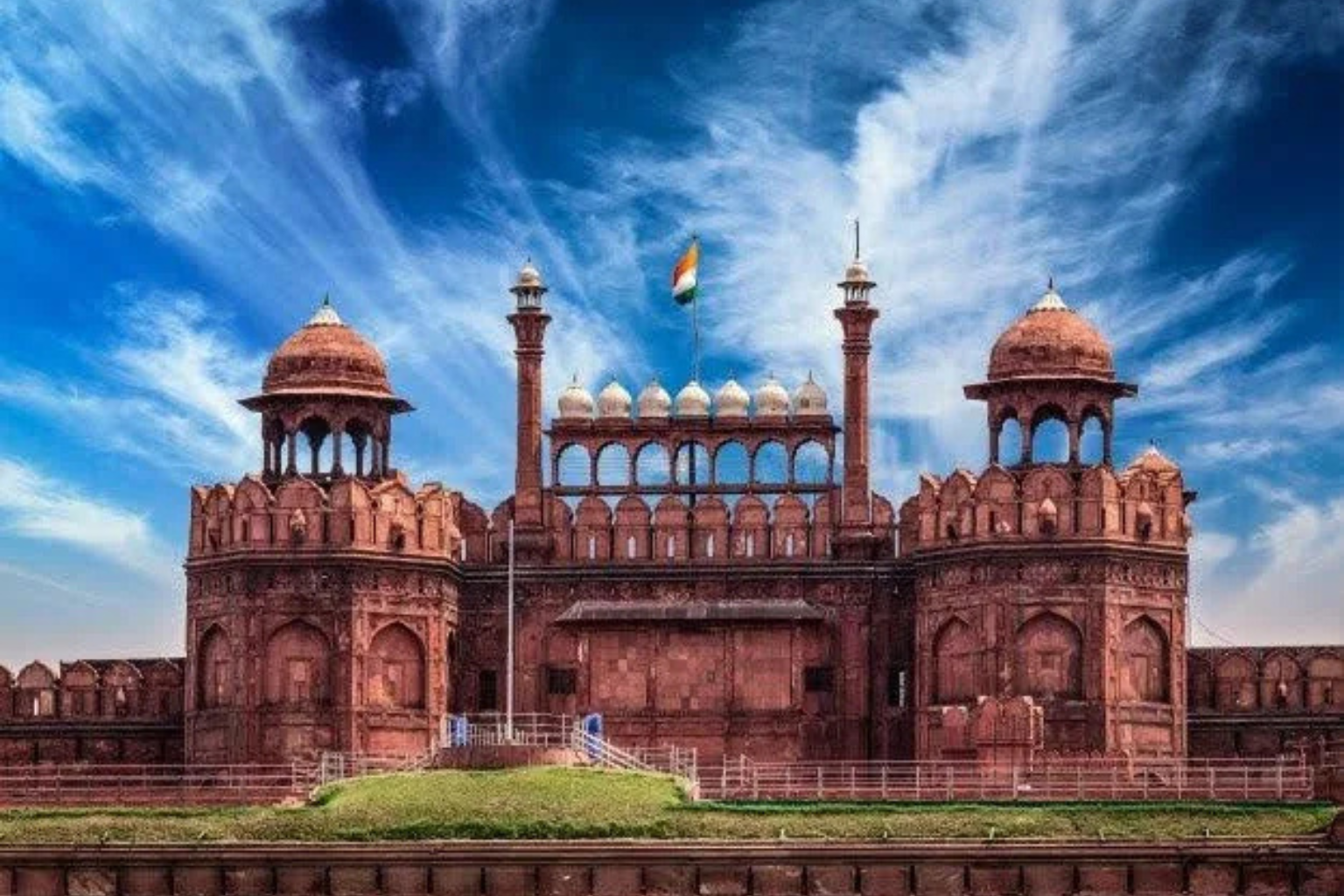
Delhi's extreme temperature variation from 45°C in May to near-freezing in January causes thermal expansion and contraction in concrete slabs and walls that creates hairline cracks over time. These cracks are the primary water entry point during the 600mm+ annual monsoon rainfall. Terrace waterproofing, external wall treatment, and crack injection are the three most common waterproofing requirements in Delhi homes.

Noida has a large stock of mid-age residential buildings 10 to 20 years old where original waterproofing has degraded or was never properly applied. Bathroom leakage to the floor below and terrace seepage are the two most reported issues. Our Noida waterproofing team handles both new application and remedial waterproofing on existing structures.
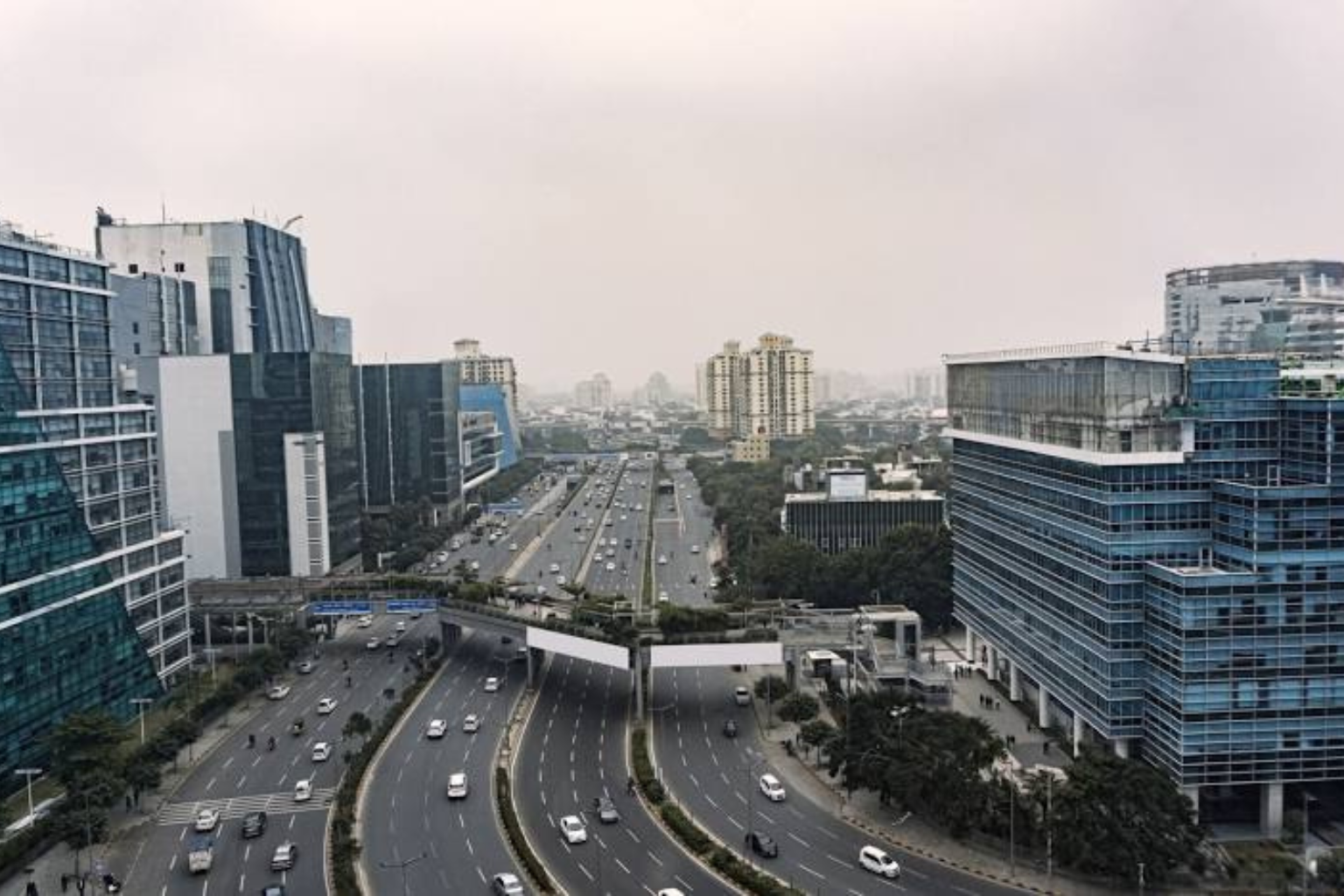
Gurgaon's high-rise residential and commercial buildings face unique waterproofing challenges; terrace gardens, swimming pools, and podium-level parking decks all require heavy-duty membrane waterproofing systems. We handle these alongside standard residential leakage repair across the city.
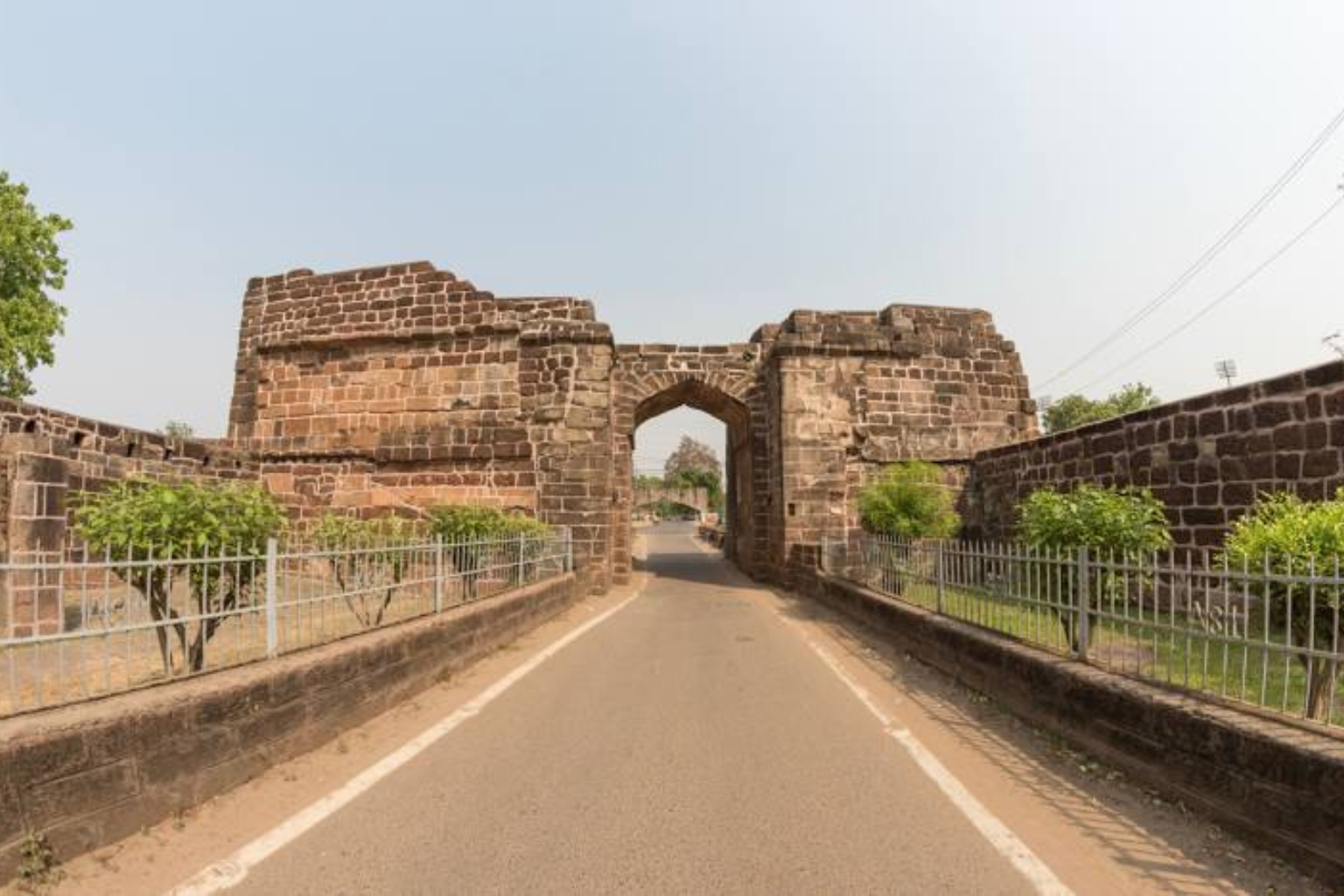
Odisha receives some of the highest annual rainfall in India. Bhubaneswar and Cuttack homes face continuous moisture stress both from direct monsoon rain and from high ambient humidity year-round. External wall coatings, terrace waterproofing, and bathroom sealing are all high-priority requirements here, and we specify moisture-resistant systems built for tropical climate conditions.
Ghaziabad's older residential colonies have a high incidence of rising dampness in ground floor homes caused by missing or degraded damp-proof courses in construction from the 1990s and early 2000s. Our Ghaziabad team specializes in remedial tanking and rising damp treatment alongside standard terrace and bathroom waterproofing.
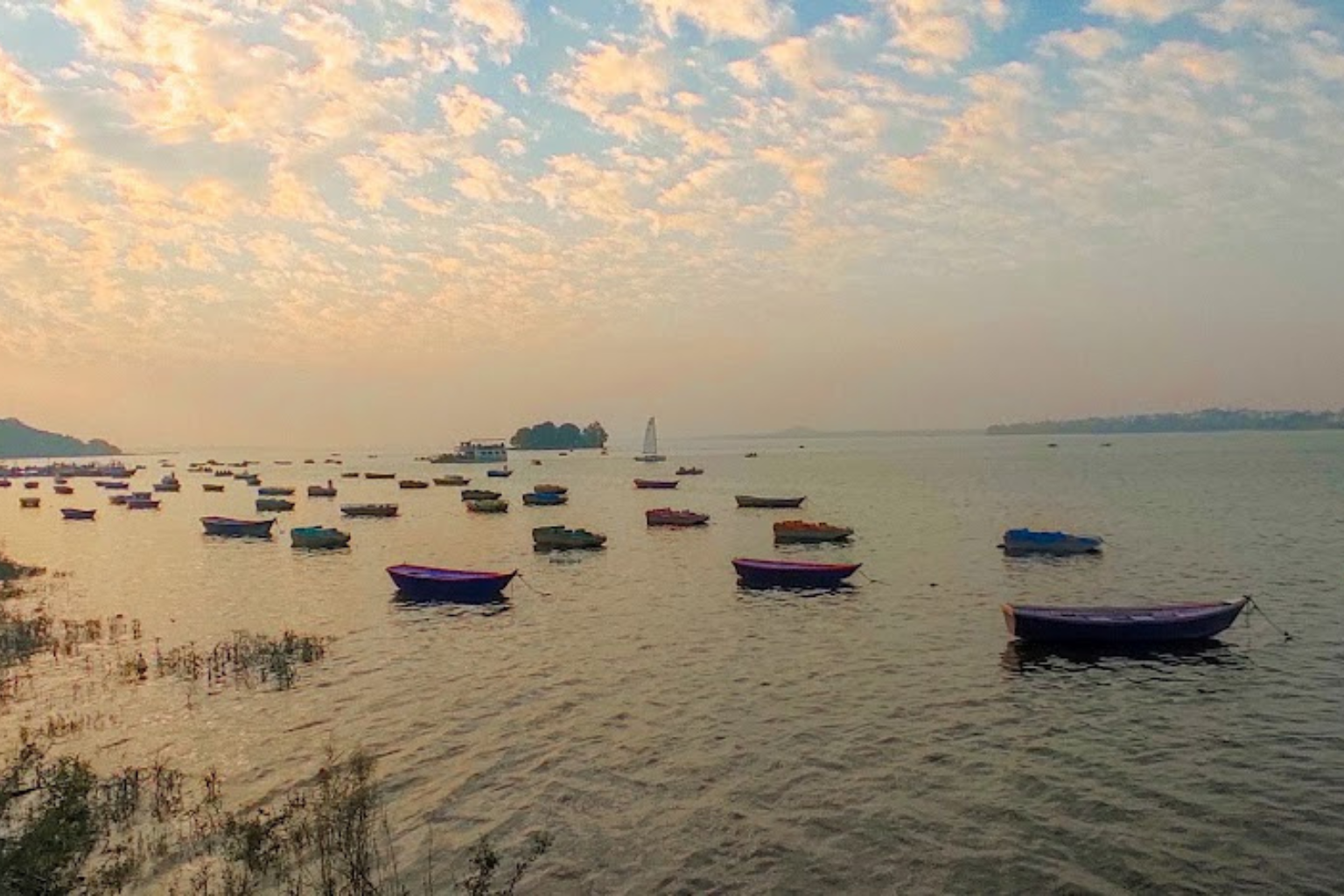
Bhopal receives significant rainfall during the monsoon season. Terrace and roof waterproofing are the primary requirement particularly for older homes with flat RCC roofs where slope has degraded and water ponding is common. We carry out complete terrace treatment including slope correction, crack repair, and multi-layer waterproofing application.
Get answers to common questions about our construction process and services
Signs like damp walls, peeling paint, ceiling stains, or musty smell usually indicate water leakage issues that need immediate attention.
The durability depends on the method and materials used, but high-quality waterproofing can last several years with proper application.
Yes, we first identify and fix the root cause of leakage before applying any waterproofing solution.
No, it can be applied during construction as well as for existing homes facing leakage or dampness issues.
Terraces, bathrooms, basements, and external walls are the most common areas prone to water damage.